
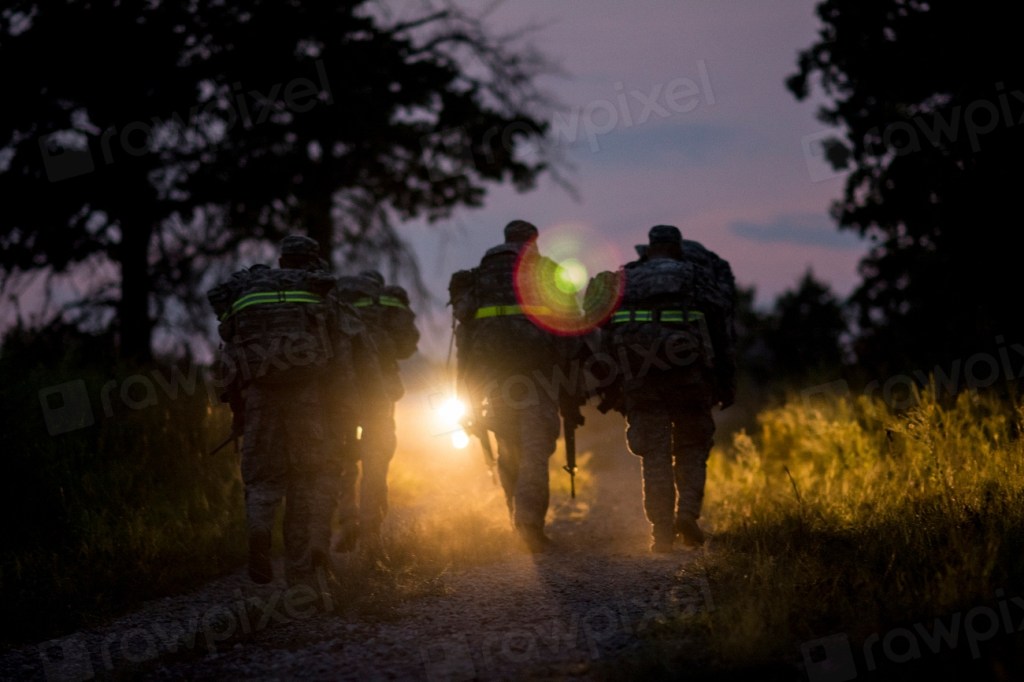
The NCO Creed addresses the fundamental question: What is an NCO? Every branch of the military has its version of the NCO Creed. What’s surprising is that they are similar to one another. These creeds outline the straightforward yet demanding expectations of their NCOs. They clarify how an NCO should behave, lead, and develop their team. Being an NCO is one of the most challenging roles in the military. Without these professionals giving their best, the mission would inevitably fail. Our NCOs make us the finest military fighting force the world has ever seen. To have a strong military, you need strong non-commissioned officers. Let’s look at the three fundamental foundations of being an NCO.
Leadership and Responsibility Aren’t Optional
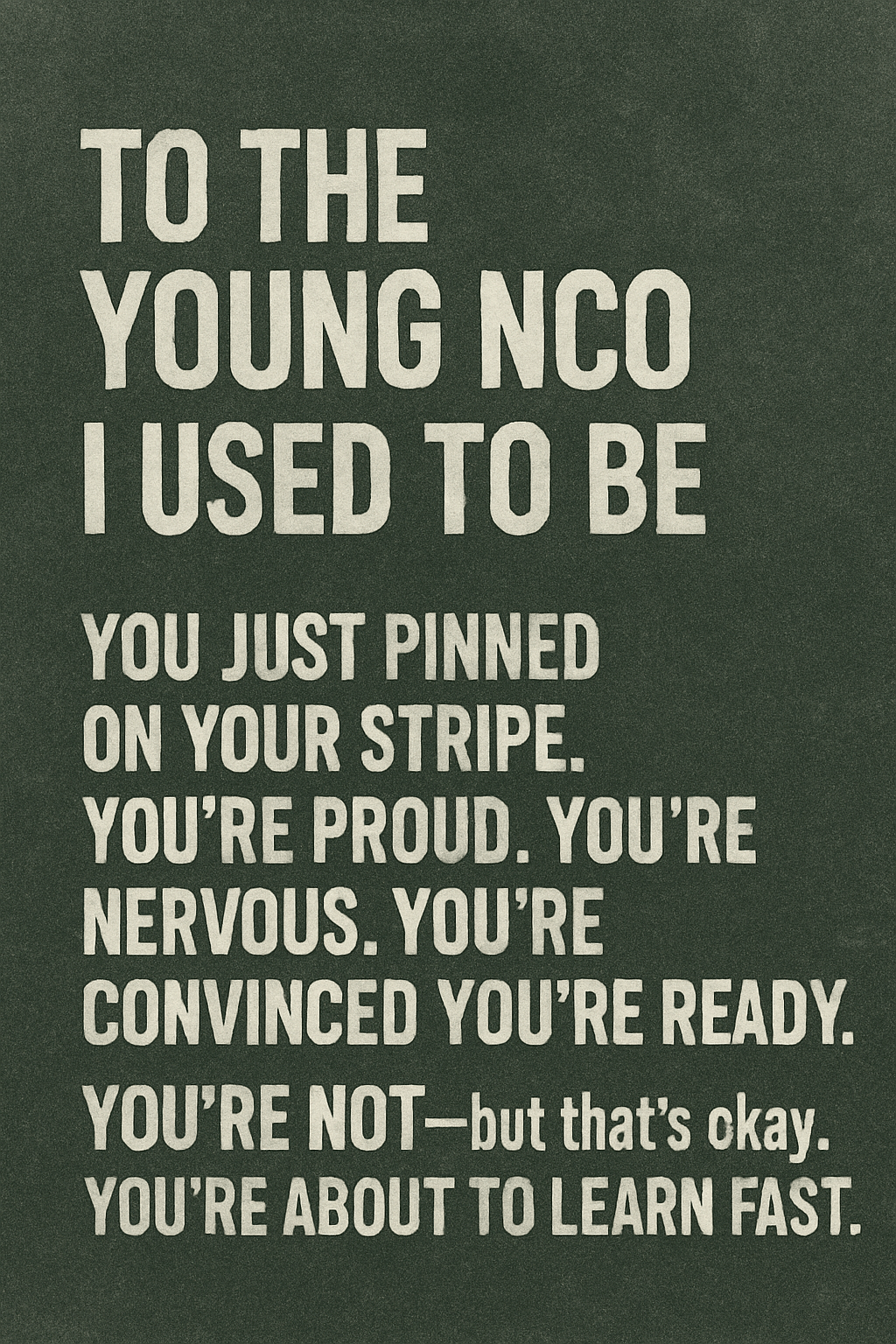
All three NCO creeds clarify one thing: leadership is not a choice. From the moment someone pins on the heavy NCO stripes, they are a leader. As an NCO, you’re responsible for shaping the culture around you. Your presence is felt when you enter a room; people notice you. You don’t just reflect the standard – you set it. What you allow in your presence is your standard. The Marine Corps says NCOs are “the backbone,” the Army says, “leader of Soldiers,” and finally, the Air Force says, “upholding the level of readiness and performance.” Together, the creeds are saying NCOs are responsible for the success of their teams. Without NCOs, the mission would fail.
This responsibility comes with trust earned through consistent, visible leadership: holding people accountable, teaching with patience, and stepping up when others hesitate. This responsibility is a heavy burden, and you will sometimes be the only one willing to say, “That’s not good enough.” If it’s wrong, and you ignore it, you endorse it.
Are you willing to have the hard conversation when no one else will?
Be the Example- Even When It’s Inconvenient
Your Troops will adopt your habits, not your speeches. That means every step you take, every correction you give or fail to provide, sets an example of what is acceptable. You can’t demand punctuality, dress, discipline, or initiative if you’re not living it first. Setting the example repeatedly is how NCOs build the culture; that is how we raise the bar. If you’re cutting corners, you’re teaching your troops it’s acceptable. If you’re late, they’ll be later. If you gripe about leadership behind closed doors, they’ll do it in the open.
Are you going to be what right looks like?
You Inherit a Legacy – Act Like It
Every tradition, standard, and piece of hard-earned respect that surrounds the NCO corps today was handed to you by those who came before you. It was NCOs who led troops through Vietnam, Iraq, Afghanistan, and countless other battles. It was the NCOs who trained their troops for war. You’ve been trusted with something bigger than yourself: a history of discipline, innovation, and warfighting excellence. When you let standards slide, you’re not just affecting one Airman, Soldier, or Marine. You’re signaling to everyone that the bar has moved. Culture doesn’t erode all at once – it crumbles when NCOs stop guarding it. Today’s NCOs are the guardians of that legacy.
Are you going to enhance the legacy?
Final Thought: Different Words, One Warrior Standard
So why does this matter? Whether you wear chevrons on woodland cammies, OCPs, or blues, the call is the same: Lead well, live right, and leave it better than you found it.
Start here if you’re wrestling with your NCO position—how to influence without overstepping, lead peers, or push standards without becoming a robot. Revisit your creed. Not just to memorize it but to internalize it.
Your creed is a compass. When you’re lost in the grind of emails, inspections, or conflicting demands, it points you in the right direction. It reminds you of why you serve, how to serve, and who you serve.
And if tomorrow brings war? You’ll be ready. Because today, you chose to live the NCO creed.




 NCO Leadership Primer
Leave a reply to I-Kill-Vets Cancel reply